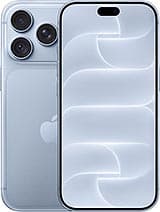
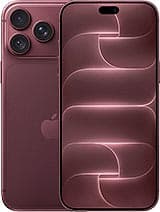






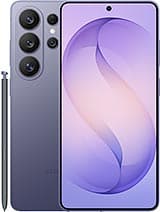

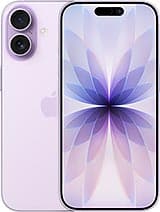
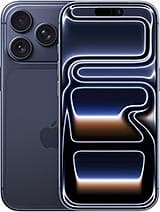
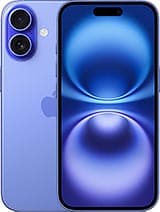

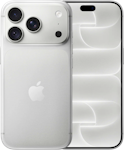

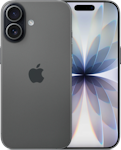
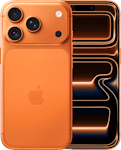

Apple's iPhone range spans several models at any given time, from a standard model through to Pro, Pro Max and design-focused variants, each aimed at slightly different priorities. Rather than assuming the most expensive or most recent model is automatically the best choice, it's worth working out what actually matters to you — screen size, camera capability, battery life, or simply keeping cost down — before comparing specific deals.
1. Choosing between current iPhone models
- The standard iPhone 17 suits most everyday users who don't need advanced camera or performance features.
- The iPhone 17 Pro suits keen photographers and demanding users who benefit from stronger performance.
- The iPhone 17 Pro Max suits anyone who wants the largest screen and longest battery life, and doesn't mind a bigger, heavier phone.
- The iPhone Air suits anyone who prioritises a slim, lightweight design over the largest screen or battery.
2. Storage: think ahead, not just for today
Storage can't be upgraded after purchase, so it's worth being realistic about your photo, video and app habits rather than choosing the cheapest tier available. If in doubt, sizing up is usually the safer choice.
3. Contract, SIM-only, or buying outright
A handset contract bundles the phone's cost into your monthly bill, which is convenient but usually more expensive over time than buying outright and choosing a separate SIM-only deal. If you already own a phone you're happy with, keeping it and pairing it with a SIM-only plan avoids financing a new handset altogether.
4. Comparing networks
Coverage varies significantly by area, so check performance for EE, O2, Three and Vodafone at your home and work locations, since any iPhone model performs identically regardless of network.
5. Trading in your old phone
Check trade-in values for your current device through your chosen retailer or network before buying, since this can meaningfully offset the cost of a new iPhone.
6. Frequently asked questions
Which iPhone model is right for me?
This depends on your priorities — the standard model suits most everyday users, while Pro, Pro Max and Air variants each trade off differently on camera, size, battery and design.
Is it cheaper to buy an iPhone outright?
Usually yes over the phone's lifetime, since a handset contract typically includes financing costs within the monthly price.
How much storage should I choose?
Consider your photo, video and app habits, and size up if you're unsure, since storage can't be changed after purchase.
Which network is best for an iPhone?
This depends entirely on coverage at your specific address — compare EE, O2, Three and Vodafone directly.
7. Conclusion
Choosing the right iPhone starts with working out what matters most to you — screen size, camera, battery or design — rather than defaulting to the most expensive model. Compare the specific models, storage tiers and networks above to find your best overall deal.