























Buying a mobile phone plan used to mean one thing: a two-year contract that bundled a new handset with your monthly airtime, whether you wanted the latest phone or not. Today the market has split into several genuinely different ways to pay for your phone and your data, and picking the right one can save a meaningful amount of money over the life of your plan.
1. The main ways to buy mobile phone service
Handset contracts
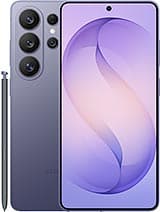
A handset contract bundles the cost of a new phone into your monthly payment, spread over a fixed term, alongside your calls, texts and data. This suits anyone who wants the latest device without paying the full price upfront, though it typically works out more expensive overall than buying a phone outright and pairing it with a separate SIM-only deal.
SIM-only deals
If you already own a phone — perhaps you're keeping your current one, or you've bought one outright — a SIM-only deal covers just your calls, texts and data, without financing a handset. These are available on a range of terms, from 30-day rolling contracts up to 12-month and 24-month commitments, and are generally the cheapest way to get connected if you don't need a new handset.
Buying a phone outright
Paying for a handset upfront, either new or refurbished, and pairing it with a SIM-only plan is usually the most cost-effective route over time, since you're not paying interest or a markup baked into a monthly contract price.
2. Choosing a network
Coverage varies by area, so it's worth checking which networks perform well where you live and work before committing to a plan, rather than assuming every provider offers the same experience nationwide. Many budget SIM-only brands actually run on the infrastructure of one of the UK's major networks, so checking the underlying network — not just the brand name — matters for coverage.
3. Do you need 5G?
5G SIM-only deals offer faster speeds and generally lower latency than 4G, but only if your phone supports 5G and you're in an area with good 5G coverage. If your current phone is older or you're mostly in an area without strong 5G signal yet, you may not notice much difference day to day, so it's worth weighing this up before paying a premium for a 5G-specific plan.
4. How much data do you actually need?
Overpaying for data you don't use is one of the most common ways people waste money on mobile plans. If you're mostly connected to Wi-Fi at home and work, a modest data allowance may be plenty; if you stream video or navigate heavily on the go, you'll want a larger allowance or an unlimited data SIM. Our guide to how much mobile data you need can help you estimate more precisely.
5. Budget-friendly networks worth comparing
A number of budget-focused SIM-only providers offer competitive pricing by running on the network of a larger operator, including Asda Mobile, giffgaff, iD Mobile, Lebara and Lycamobile. It's worth comparing these directly against the bigger network names before assuming a household brand is automatically the best value.
6. Frequently asked questions
Is SIM-only always cheaper than a handset contract?
If you already have a phone you're happy to keep, yes — you avoid paying to finance a new handset within your monthly bill. If you need a new phone too, compare the total cost of a handset contract against buying outright plus a separate SIM-only plan.
Do I need to stay with the same network to keep my number?
No, you can keep your existing mobile number when switching networks using a PAC code, which any UK provider is required to give you free of charge on request.
Does 5G cost more than a standard SIM-only plan?
Sometimes, though the gap has narrowed as 5G coverage has expanded. Compare 5G-specific plans against standard SIM-only deals to see the actual price difference for your usage.
Can I use a SIM-only plan with any phone?
Generally yes, as long as your phone is unlocked and compatible with the network's technology (particularly relevant for 5G). Check compatibility before switching if you're unsure.
7. Conclusion
The right mobile phone deal depends on whether you need a new handset, how much data you actually use, and which network performs best where you live. Compare handset contracts against SIM-only options, and don't rule out budget-focused SIM providers before checking their live pricing against the bigger names.