What the law actually changes
Greece passed the bill on 23 October 2026. From 1 January 2027 no one under 15 can use platforms that let users create profiles, interact and share content. That covers Instagram, TikTok, Facebook and LinkedIn. Messaging apps stay open to younger users. Existing accounts are not exempt and parents cannot give permission.
Age checks for everyone
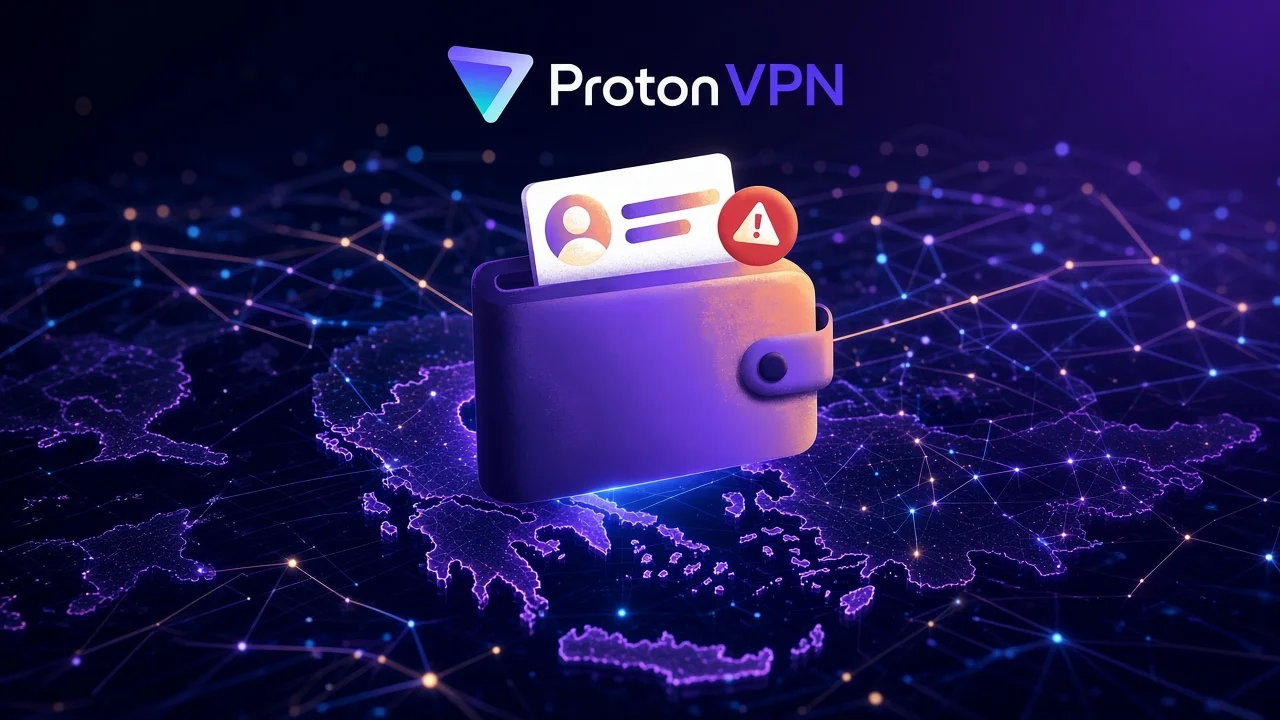
The government wants platforms to use its Gov.gr Wallet or Kids Wallet apps. These are meant to return only a yes-or-no answer, yet critics point out that every adult in Greece will still need to prove their age. The same pattern appeared when the UK introduced age checks under the Online Safety Act. The law carries no new fines for families, but platforms face enforcement under the EU Digital Services Act.
Why VPNs are being discussed
Twenty-five organisations warned that some children will simply switch to VPNs or unregulated sites. We saw the same pattern when Jordan blocked Telegram, with Proton VPN sign-ups jumping sharply. A reputable no-logs service keeps data private, but the Greek minister himself admitted that parents using their own ID would mean the system has failed.
Better routes to protection
The groups that criticised the bill argue for device-level checks with open-source code, clearer rules on addictive design, and leaving decisions with parents rather than collecting ID from every adult. Greece says it will tweak the law once the EU Kids Act arrives. Our VPN comparison shows the options that publish independent audits if you want to keep browsing private.