Plug-in solar gains pace
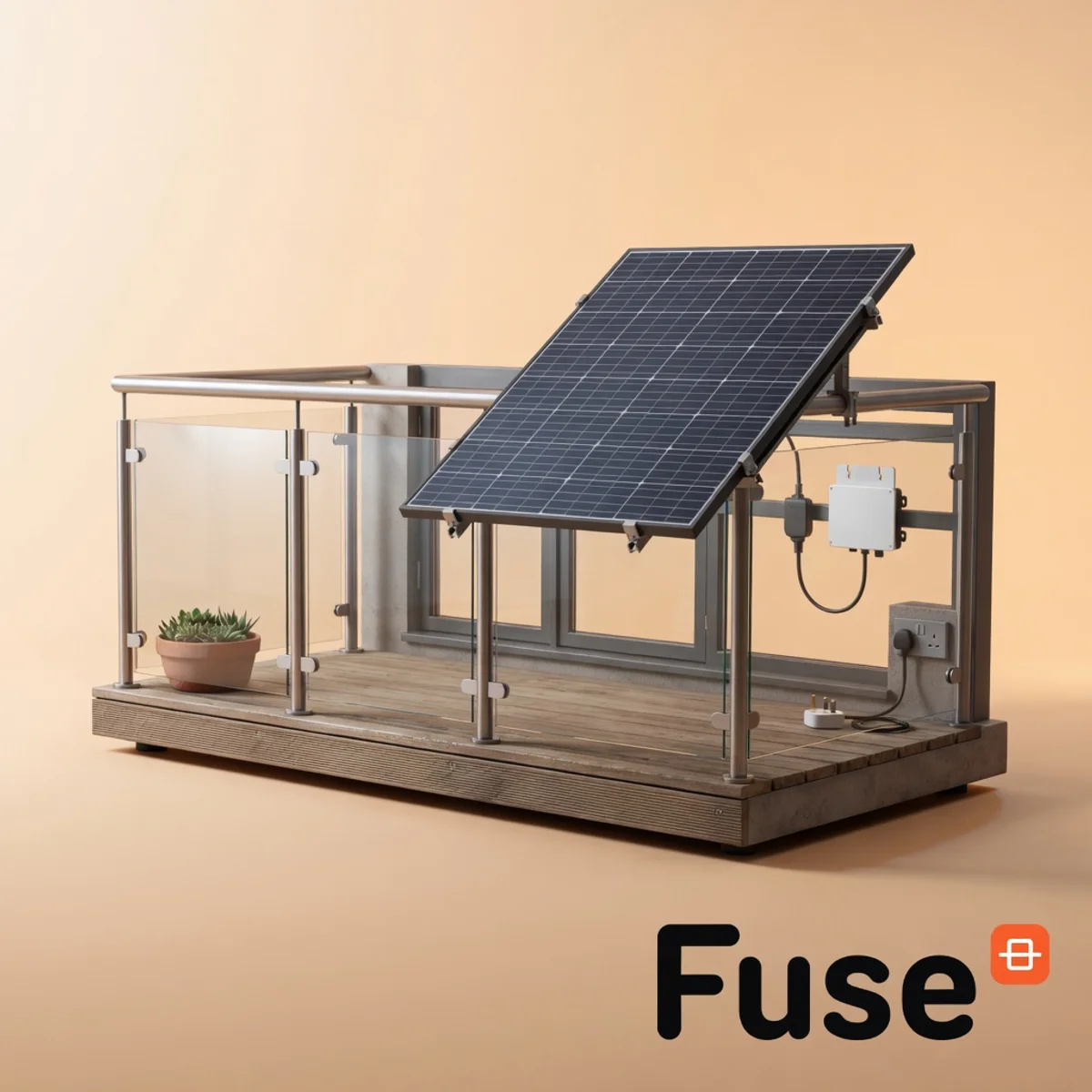
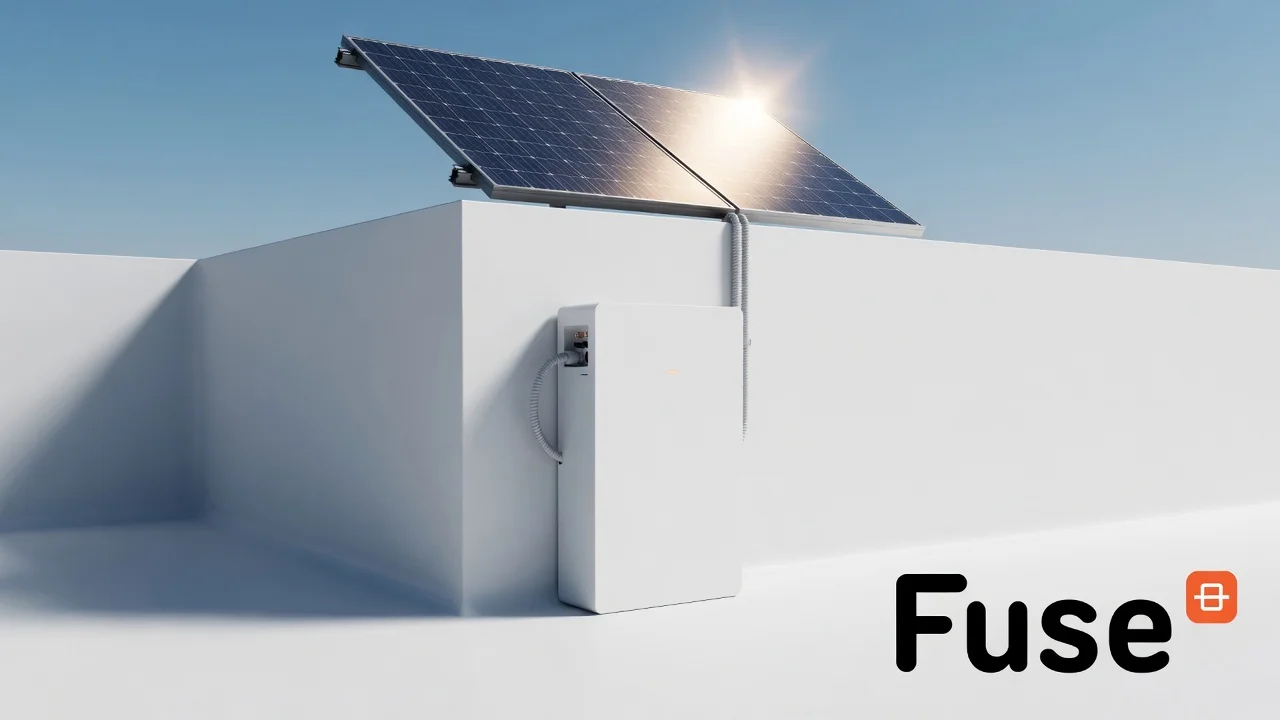
More homes are installing plug-in solar panels, a shift that brings both opportunities and new questions for the grid. The technology lets households generate their own electricity, yet output stops when the sun sets or clouds gather. This intermittency has pushed battery storage into the centre of the debate.
We recently covered the legal changes that made plug-in solar straightforward across Great Britain from August 2026. That move opened the door for renters and flat owners, but it also highlighted the limits of generation without storage.
How batteries change the picture
A battery lets you keep daytime surplus for evening use instead of exporting it cheaply and buying back later at higher rates. This raises self-consumption and cuts reliance on grid power during peak hours. On a multi-rate tariff the same battery can also be charged cheaply overnight and discharged when rates rise.
Wider uptake of domestic batteries can ease pressure on the National Grid by balancing local supply and demand. The systems still need proper connection: most require notification to your Distribution Network Operator under G98 or G99 rules.
Costs, lifespan and support
Upfront prices remain a hurdle, though they have fallen sharply in the last decade. Payback depends on your usage pattern, tariff and how much you generate. Modern lithium-ion units typically carry 10-year warranties and are rated for 10–15 years of daily cycling, though capacity declines gradually.
Government policy currently backs the market. The 0% VAT rate on qualifying domestic solar and battery installations runs until at least March 2027, while the Smart Export Guarantee pays households for excess power sent back to the grid.
What households should weigh up
Not every home will see strong returns. Those with high daytime use or already on cheap export tariffs may gain less. Anyone considering a system should check their Distribution Network Operator’s requirements and compare available tariffs before committing. We track these incentives and grid rules at our energy hub so you can see how the numbers stack up for your situation.