The common layout error hitting efficiency
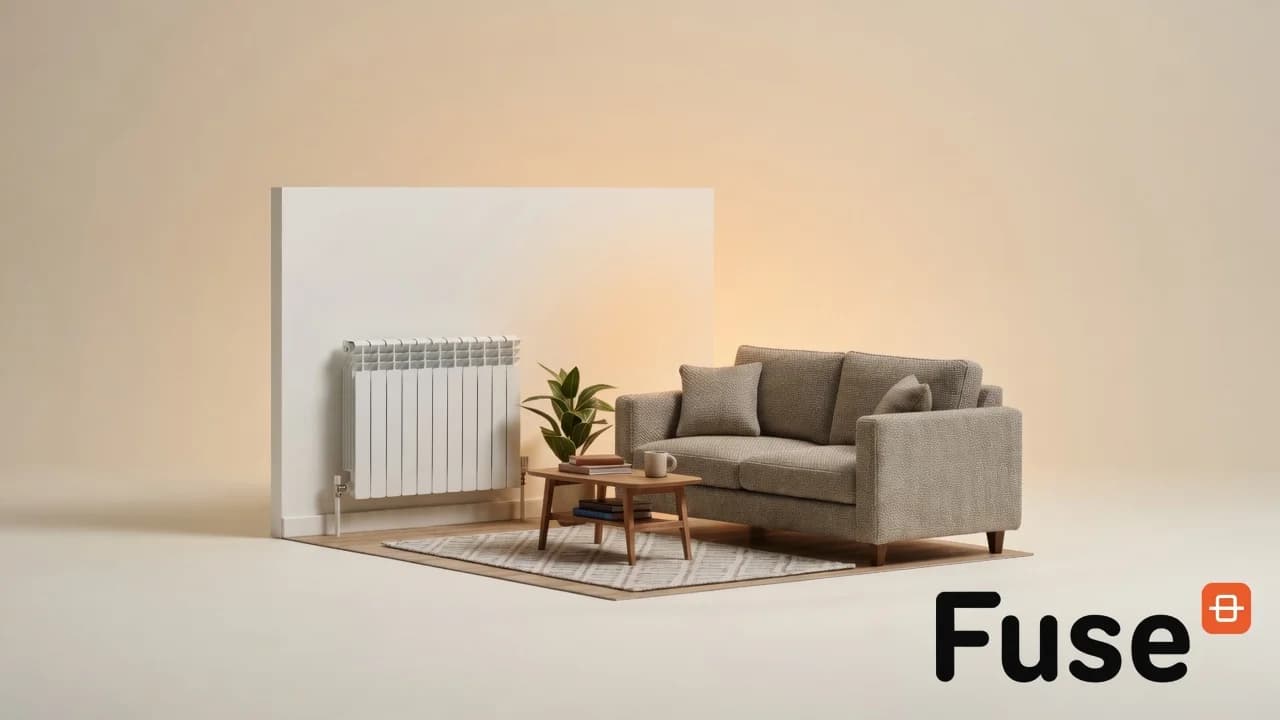
Placing a large sofa right in front of a radiator traps heat and stops it spreading around the room. The average UK home uses around 9,500 kWh of gas a year for heating and hot water, so any barrier that forces the system to run longer adds up. Restricted airflow also raises the risk of condensation and mould behind the furniture, while excess heat can shrink, fade or crack upholstery.
"Placing a sofa too close to a radiator can also obstruct airflow, reducing the efficiency of your heating system. This not only leads to uneven room temperatures but also causes your heating system to work harder, potentially increasing your energy bills. In spaces with limited ventilation, positioning furniture too near a heat source can trap moisture and cause condensation behind the sofa, which could result in mould growth."
— Joana Sadovskaja, Sofa Expert at Lovesofas
The 30 cm rule and quick fixes
Keep furniture at least 30 cm from radiators so warm air can rise and circulate. Vertical radiators free up wall space in tight rooms, while reflective panels behind sofas or shorter curtains stop heat escaping behind the furniture. Bleeding radiators regularly removes trapped air that slows heat output.
Wider steps that cut waste
Draught-proofing windows and doors, fitting a smart thermostat and booking an annual boiler service all reduce the amount of energy needed to stay warm. Smart meters show exactly where 2,500 kWh of annual electricity use is going, making it easier to spot habits worth changing.
We cover the latest supplier moves and practical savings tips on our energy hub. If you want clearer pricing and usage insights, Fuse Energy offers an app that tracks the impact of small changes like these.