Home charging stays cheapest for now
Home charging still beats public points on price. Ofgem’s price-cap default tariff sits at 26.11p per kWh until the end of September 2026. Off-peak deals cut that further if you can charge overnight. We’ve seen plenty of households switch to dual-rate tariffs and halve their EV running costs compared with daytime rates.
Road tax and pay-per-mile charges arrive soon
From April 2025 electric vehicles lose their Vehicle Excise Duty exemption. A year later the government plans a new pay-per-mile tax: 3p per mile for pure EVs and hydrogen cars, 1.5p for plug-in hybrids, rising with inflation from 2029. The changes aim to replace lost fuel-duty revenue as more drivers go electric.
Be.EV has warned the combined hit could slow the switch. The team commented, "We need to be careful about the timing and the cumulative impact on drivers. We're approaching a really important point in the EV transition".
Practical steps to keep bills down
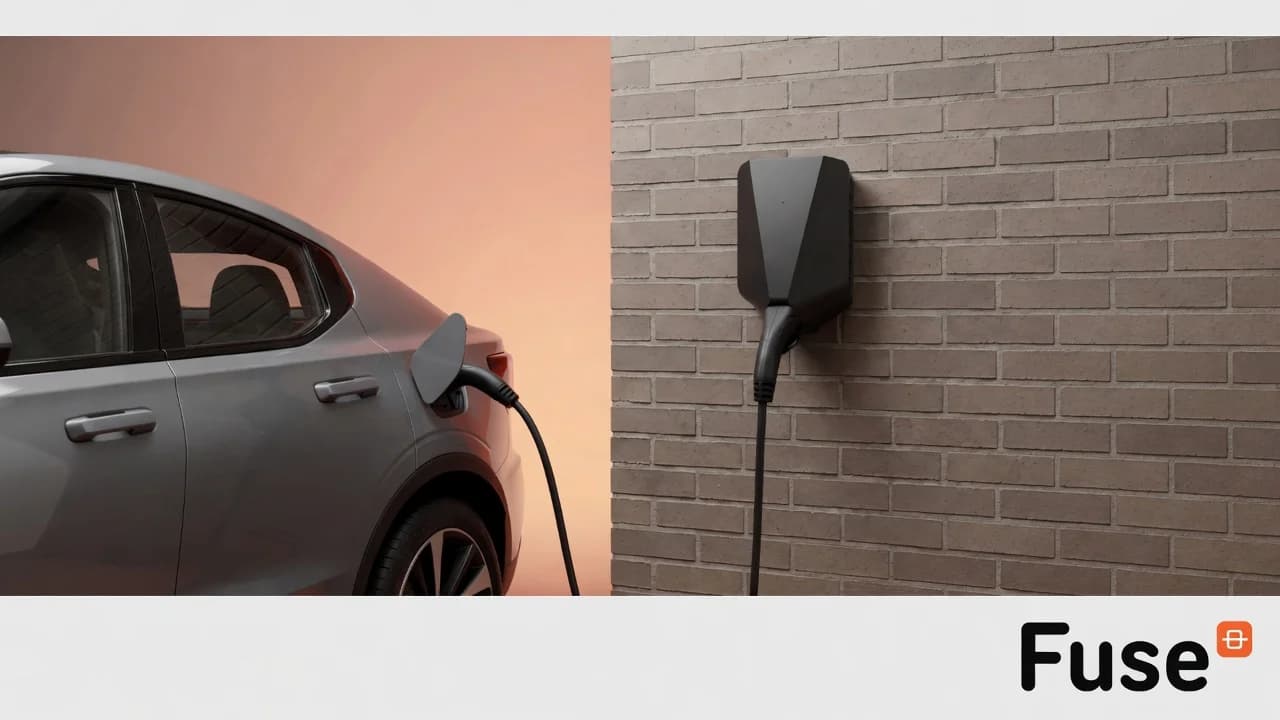
A dedicated home charger makes the most of cheap overnight power. Fuse Energy offers the Easee One installed for £899 with up to 15 m of cable, surge protection and a three-year warranty. Pair it with a smart tariff and you avoid the higher prices at public rapid chargers.
For longer trips, check network apps and monthly passes before you set off. Rural drivers may still face gaps in coverage, so planning routes in advance helps. Compare current energy deals to see which tariff works best with your charger and driving pattern.