Grid bottlenecks take centre stage
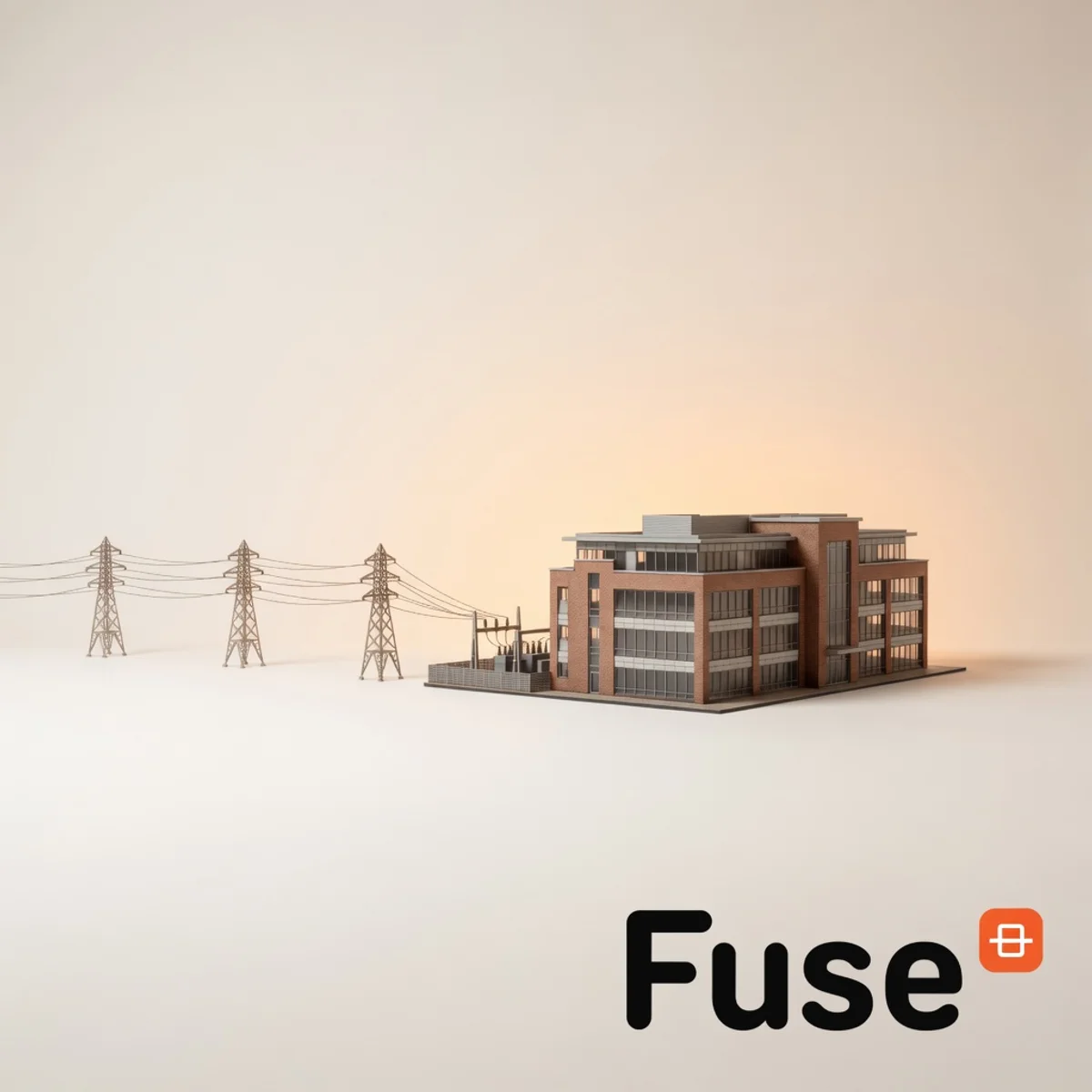
A fresh report argues that UK data centres will rise or fall on power availability rather than customer demand. With projections that the sector could use up to 15% of national electricity by 2030, the bottleneck is no longer how much power is generated but how quickly it can reach the right places. Many sites around London and the South East already face multi-year waits for grid connections, sometimes stretching to a decade.
Long lead times and planning delays
Developers must factor in new substations, reinforced lines and environmental checks long before construction begins. Local authorities also weigh noise, visual impact and overall energy scale when granting permission. These layers add cost and uncertainty at a time when the digital economy needs reliable infrastructure to stay competitive.
Fuse Energy's push for abundance
Fuse Energy says the old scarcity mindset can be rewritten. The supplier, which currently serves homes with transparent pricing and 24/7 support, wants to rebuild the system from generation to delivery so energy stops being a constraint. Ofgem has already flagged the same surge in demand, lifting its forecast 40% higher and adding pressure on net-zero timelines.
What this means for households
We track these pressures on our energy pages because grid upgrades and new connections ultimately affect bills and supply security for everyone. Faster progress on renewables, storage and smarter planning could ease the squeeze, but the report makes clear that decisions made now will decide whether data centres keep pace with the AI-driven future.