Renewables take the lead
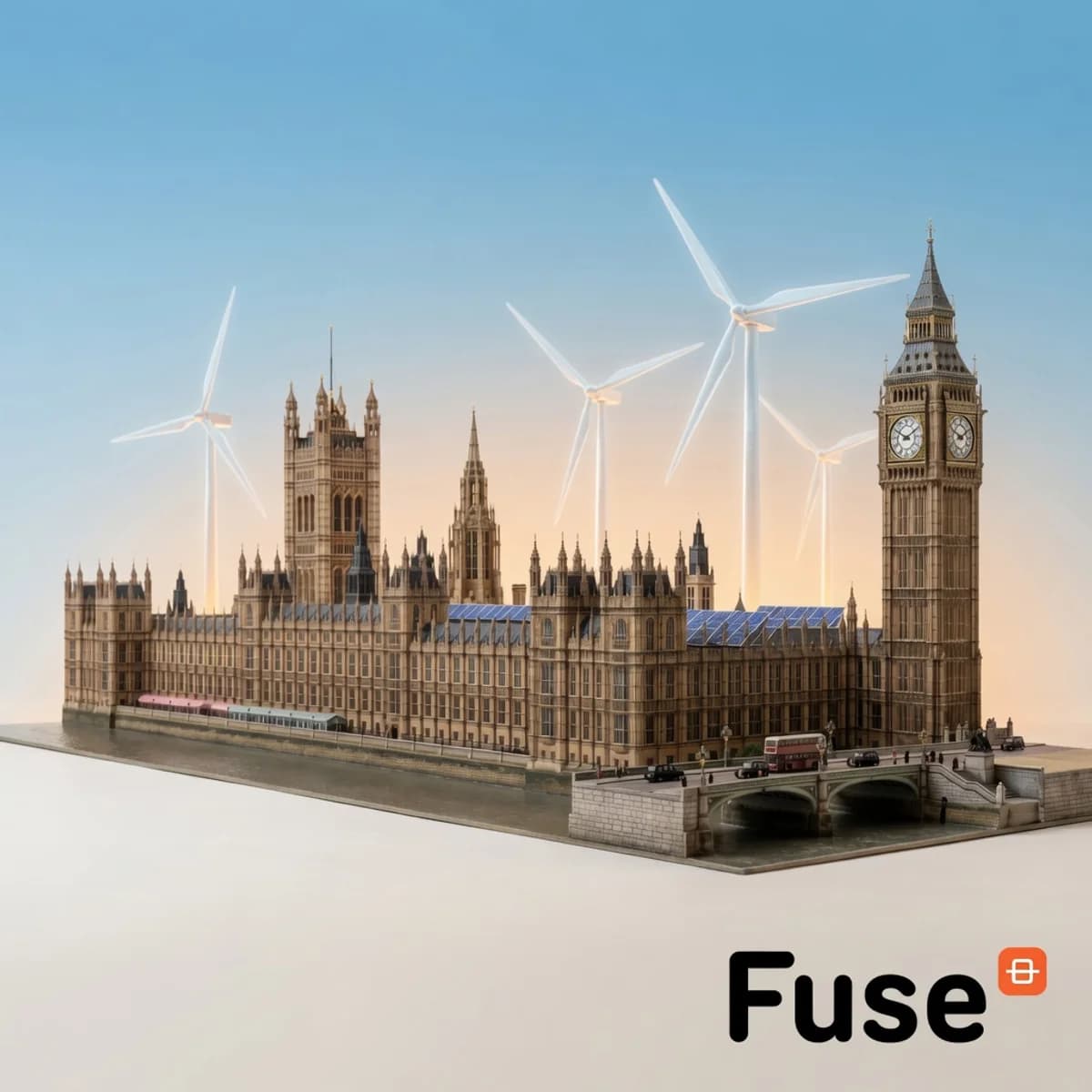
In 2024 renewables supplied 50.4% of UK electricity, with onshore wind running at 27% capacity and offshore at 41%. The shift cuts reliance on volatile gas prices and supports the legal target of net zero emissions by 2050. We track these changes closely because they affect what households pay on our energy comparison pages.
Plug-in solar now legal for homes
From 27 August 2026, compliant plug-in solar systems can connect through a standard BS 1363 socket under SI 2026/848. The average UK home uses 2,500 kWh of electricity a year, so even a small kit can trim grid demand. The change gives renters and homeowners without roof space a straightforward route into generation.
Fuse Energy adds its own projects
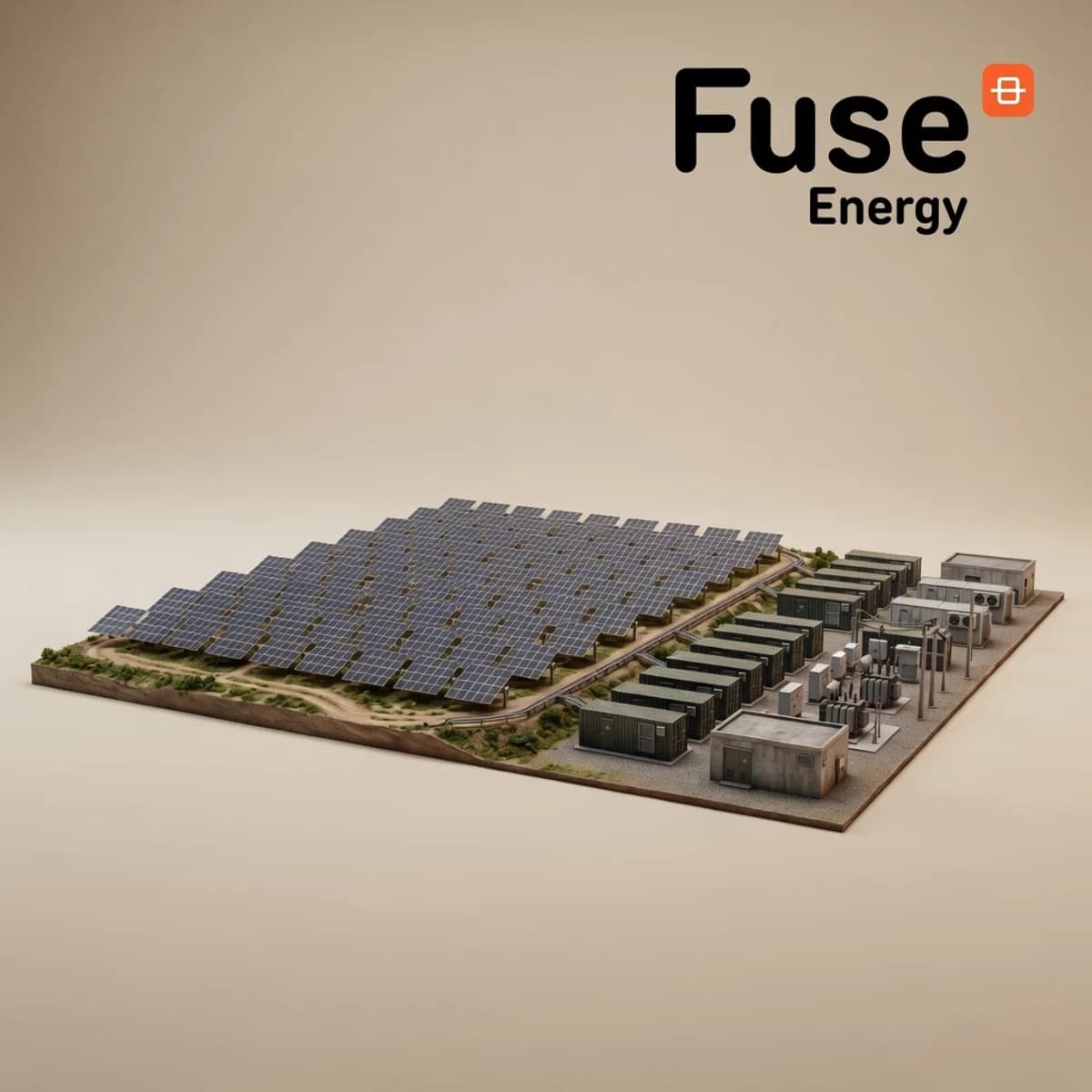
Fuse Energy runs three UK sites: a 5.2 MW solar farm at Netley North, a 12 MW solar site at Bullous Park and an 0.8 MW wind turbine at Balnamoon. These add directly to the renewable mix while the supplier offers customers real-time usage data and fixed pricing.
How this affects your bills
Earlier this month we looked at a 500 MW Oxfordshire solar park and why storage matters for making the most of daytime generation. Households that combine the new plug-in rules with time-of-use tariffs can cut exposure to peak prices without waiting for bigger grid upgrades.