Tariff options at a glance
Standard variable tariffs track Ofgem's price cap and carry no exit fees, yet rarely deliver the lowest rates. Fixed tariffs lock unit prices for 12–18 months but usually add exit fees and block any benefit from falling wholesale prices. Smart tariffs instead vary rates by time of day, with cheaper off-peak windows that reward shifting usage.
How Fuse's dual-rate deals work
Fuse Energy's variable tariffs use smart meters to split electricity into peak and off-peak bands that can change quarterly. Customers move high-draw tasks such as EV charging, washing and water heating to the cheaper periods. The supplier also supplies real-time usage data and 24/7 phone support. Phil Steele, future technologies evangelist at Octopus Energy, states, "finding the right tariff is going to make a huge difference and should save you money".
Who gains most
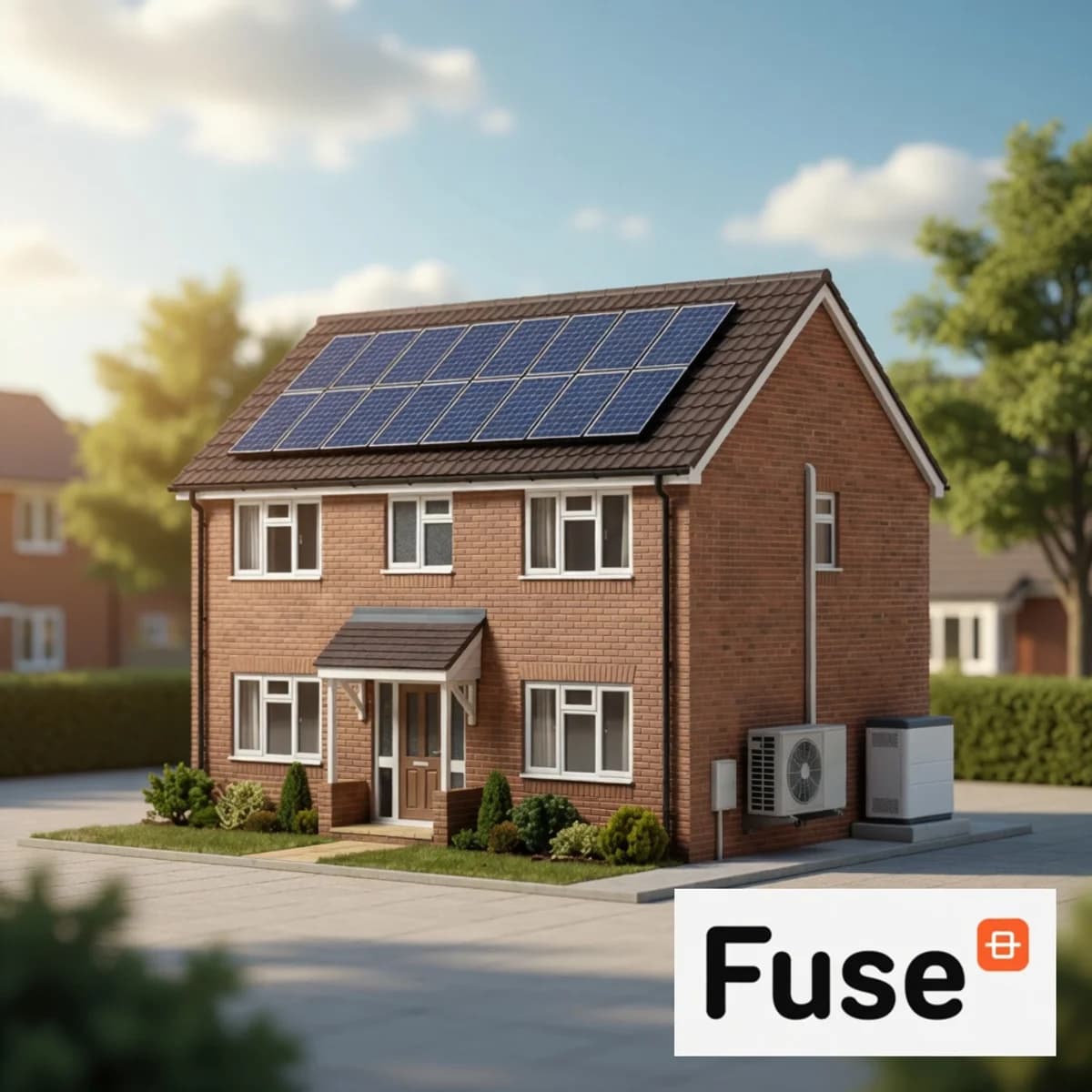
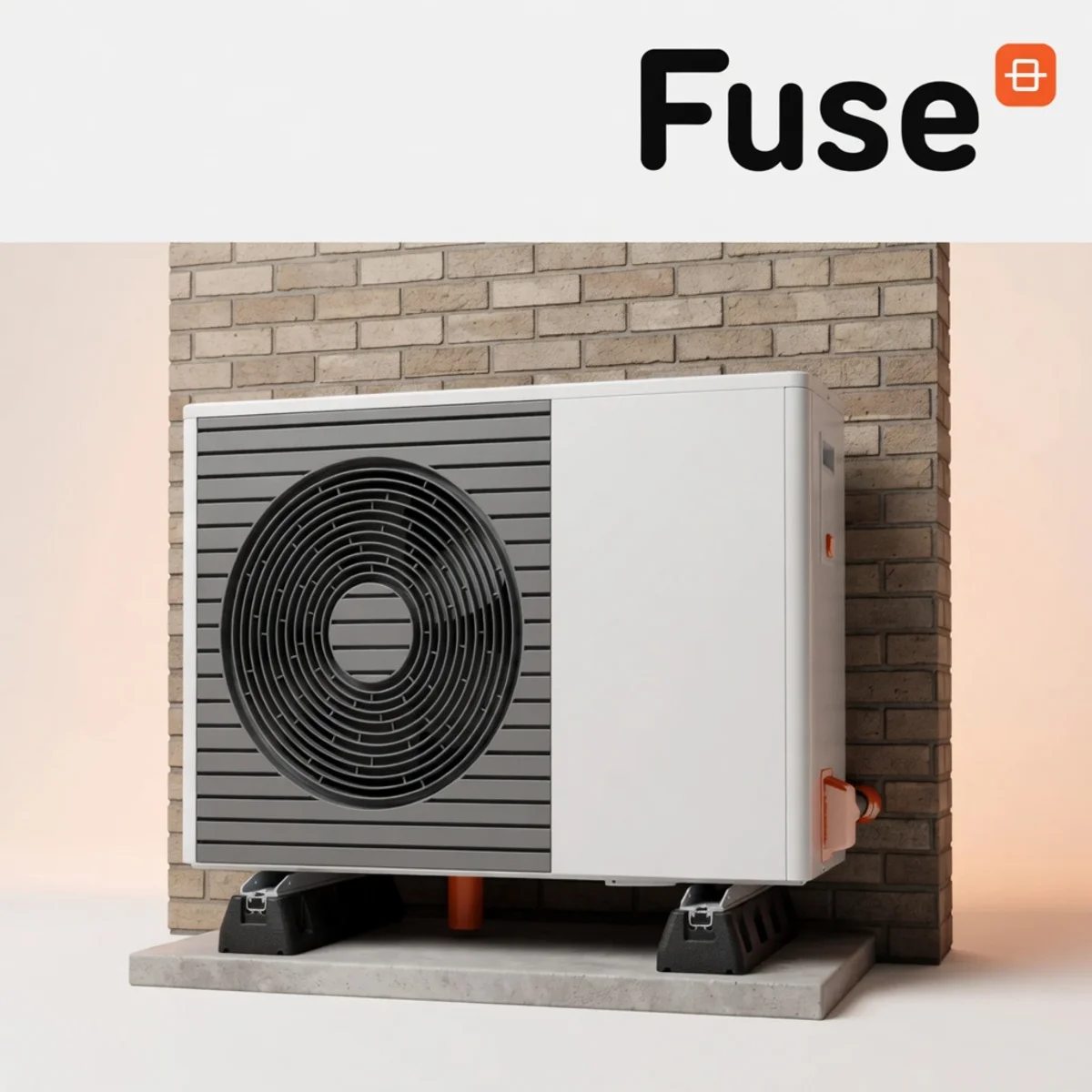
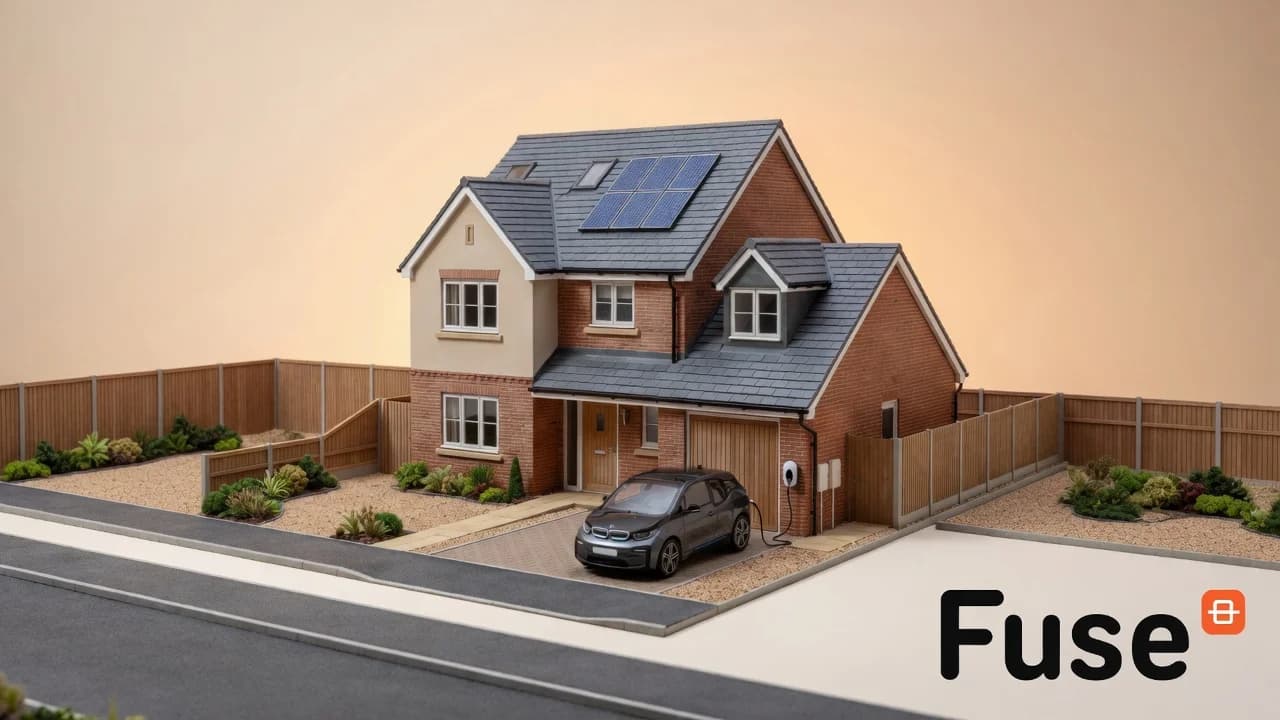
Homes with EVs, heat pumps, solar panels or batteries see the biggest upside because they can store or export power when rates are lowest. The average UK household uses around 2,500 kWh of electricity a year; shifting even part of that load can trim costs noticeably. Those without smart meters or flexible routines may find the savings smaller.
We have covered similar smart-tariff stories before, including a Milton Keynes family that reached zero energy bills after installing solar, a heat pump and a battery on an Octopus tariff. Compare the latest deals on our energy pages before you switch.