The Numbers Behind the Shift
Britain's electricity system operator expects total generation capacity to grow between 206 and 245 per cent from 2024 to 2050. The jump is needed to meet higher demand from electric vehicles, heat pumps and data centres while keeping the lights on when the wind drops or the sun is not shining. The average household already uses around 2,500 kWh of electricity a year, and that figure is set to rise.
Where the Extra Power Will Come From
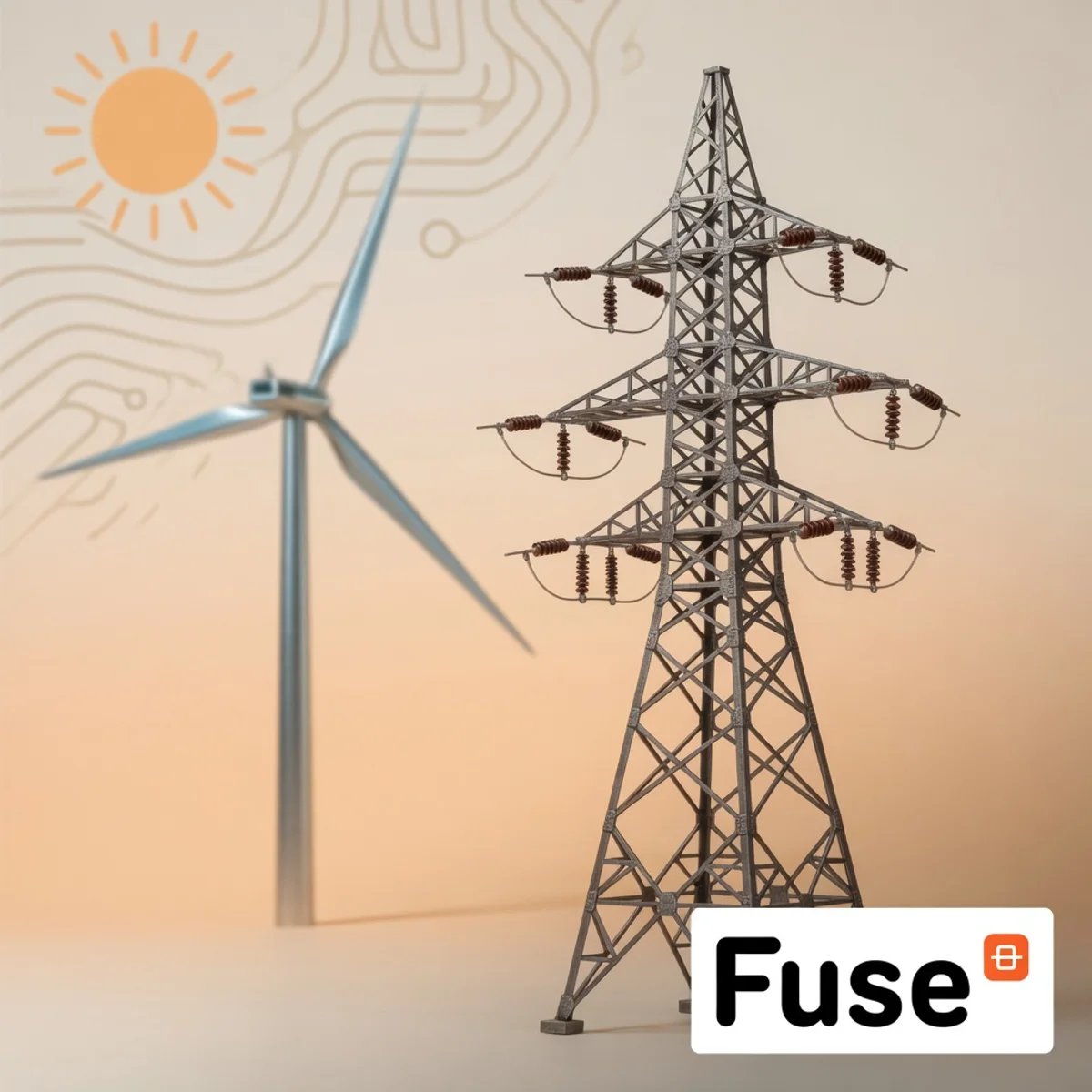
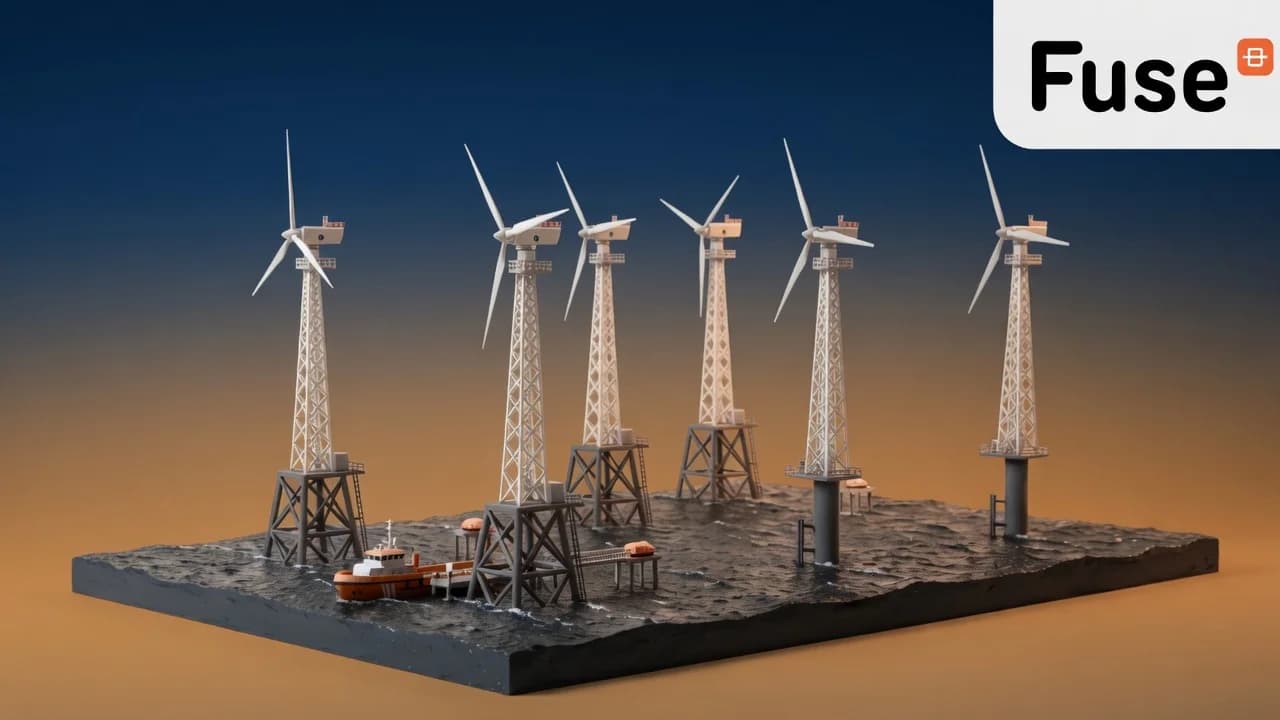
Offshore wind remains the standout technology, with UK farms averaging a 41 per cent capacity factor. Onshore wind and both large-scale and home solar are also expanding fast. Studies show more than 99.8 per cent of migratory birds reliably avoided the wind turbines. Battery storage and pumped hydro schemes are being built to balance supply, while new transmission lines and smart-grid kit will be required to move the power around.
What It Means for Bills and Homes
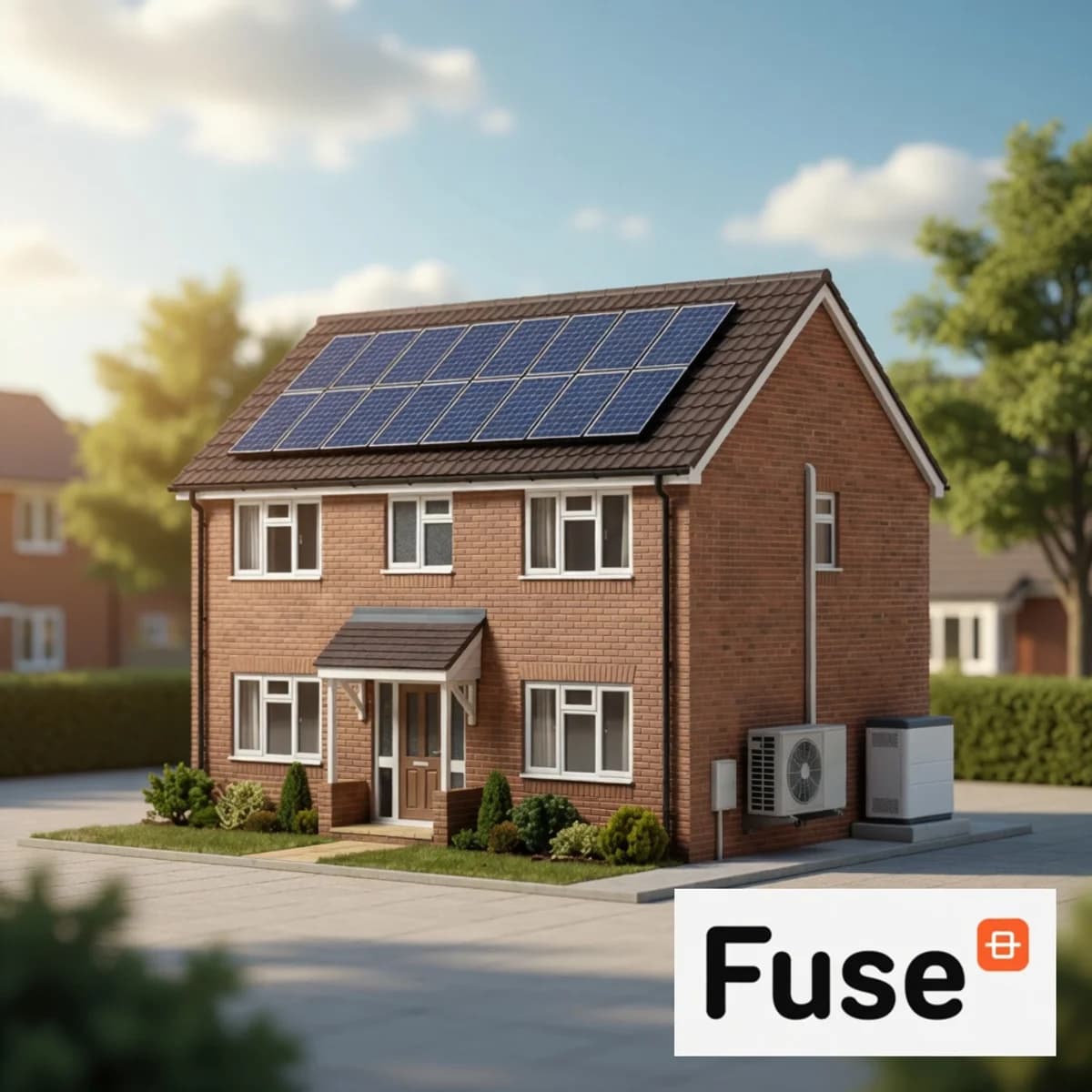
Home solar-plus-battery systems are modelled to pay for themselves in roughly eight years and beat savings accounts by year 13. Yet most households will still rely on suppliers for the bulk of their power. We track the latest price-cap changes and supplier deals here. Rising demand from AI data centres is already adding pressure on both sides of the Irish Sea, as we noted in our recent coverage.
Fuse Energy's Angle
Fuse Energy supplies power with transparent pricing, real-time usage data and 24/7 human support. The firm does not fit solar panels or heat pumps itself, but it installs smart meters and EV chargers and focuses on vertical integration to keep costs down. Customers can get a quote in minutes if they want to switch.