The Cost Debate Heating Up
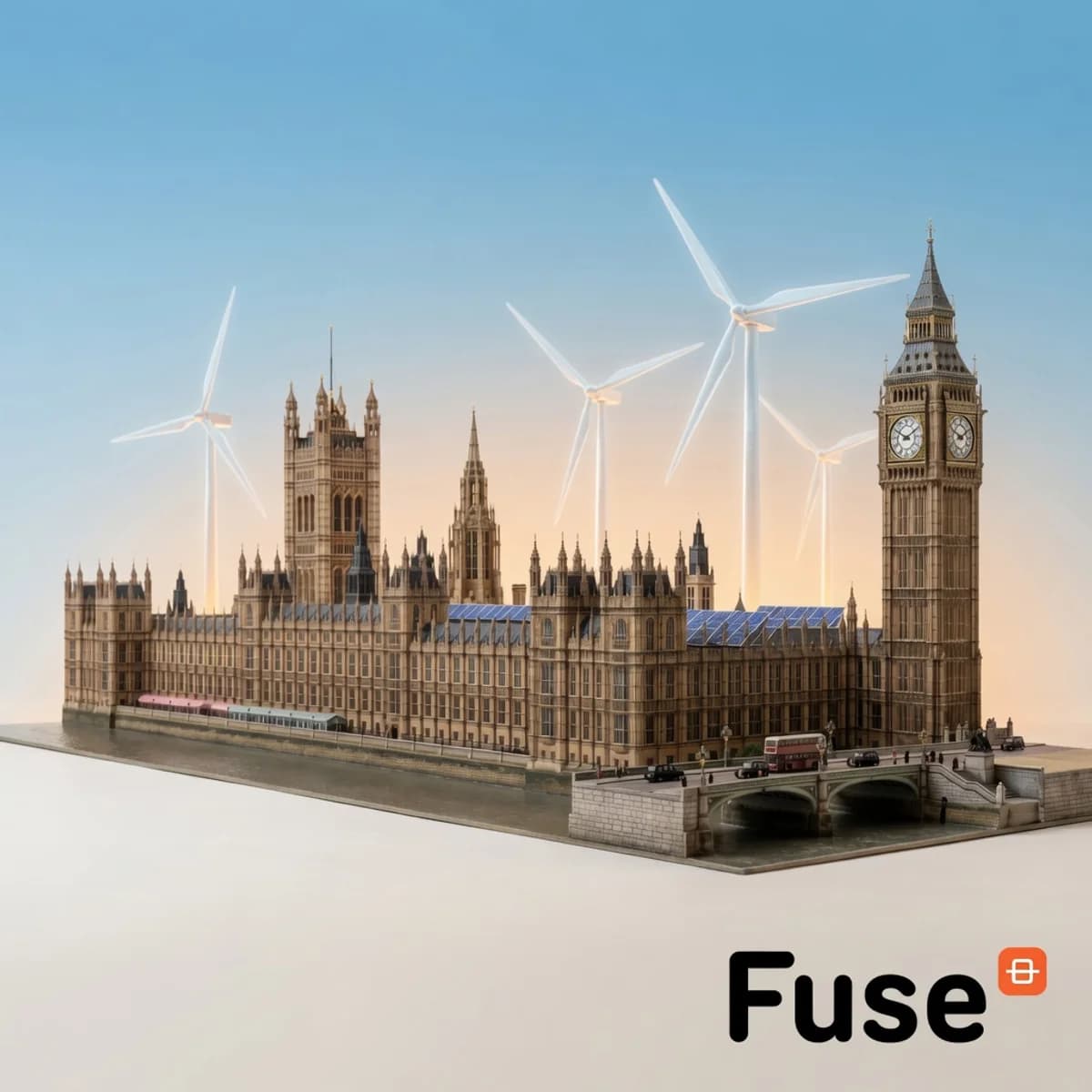
The Institute for Fiscal Studies has warned that Labour's 2030 clean power target could push household bills higher than a slower path to the UK's 2050 net zero goal. Peter Levell, IFS deputy research director, stated that achieving this target "is not necessary to reach net zero, but it does require you to push renewables and make these grid upgrades at pace, and doing it at speed is one of the things that pushes up costs". The Department for Energy Security and Net Zero counters that breaking the link with fossil fuels remains the only route to permanently lower bills.
We covered the IFS view on dynamic tariffs last week and the wider push for a state-owned grid earlier this month, both of which feed into the same tension between short-term costs and future savings.
What Net Zero Actually Means at Home
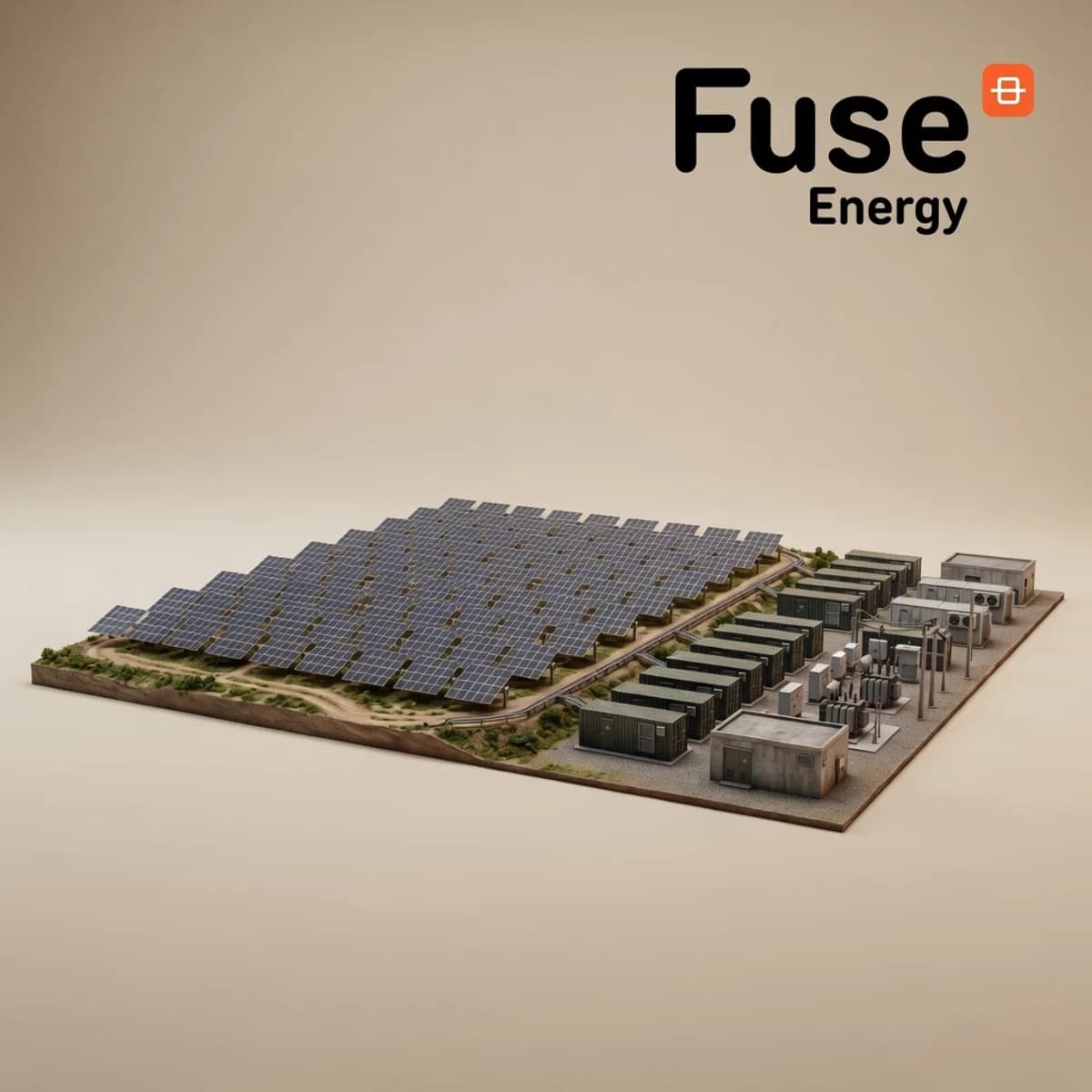
A net zero household bill balances the energy you draw from the grid with on-site generation and efficiency measures over a set period. It does not require zero usage, just offsetting what you take with clean power you produce. For an average UK home using around 2,500 kWh of electricity a year, solar panels plus battery storage can cut grid reliance sharply once demand is first reduced through insulation and draught-proofing.
Practical Steps and Available Support
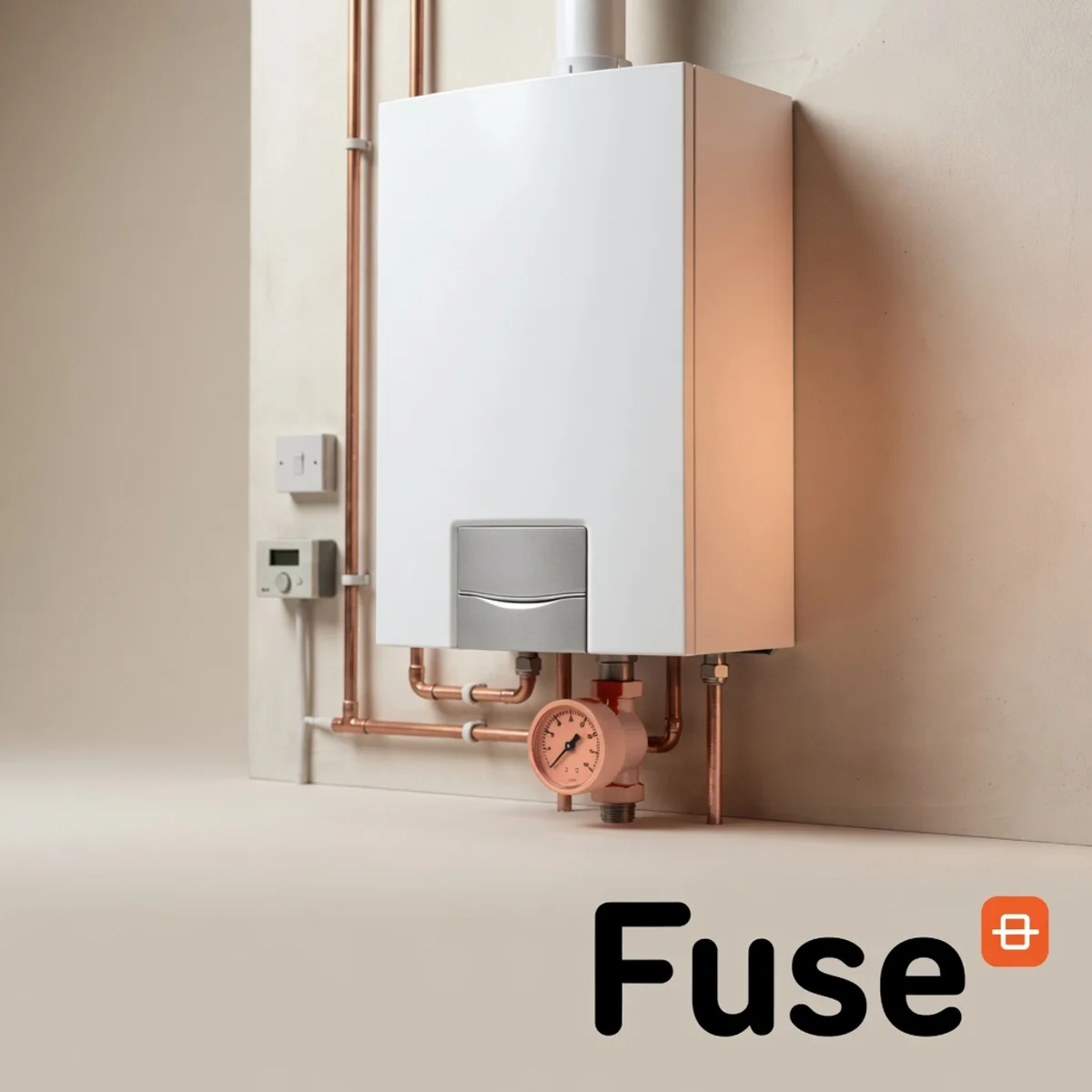
Start with efficiency upgrades, then add solar and home batteries. Heat pumps paired with better insulation cut heating demand, and the Boiler Upgrade Scheme offers grants of up to £7,500 in England and Wales. Smart meters and tariffs help shift usage to cheaper periods, while the Smart Export Guarantee pays for surplus power sent back to the grid. Temporary VAT cuts on electricity provide immediate relief.
Who Benefits Most
Homes that can install solar, batteries and heat pumps stand to gain stable bills and independence from volatile gas prices. Renters and those without suitable roofs face higher barriers and may see slower savings. Compare current energy deals to see what switching could save you while these technologies roll out.