Why high loan rates are holding solar back
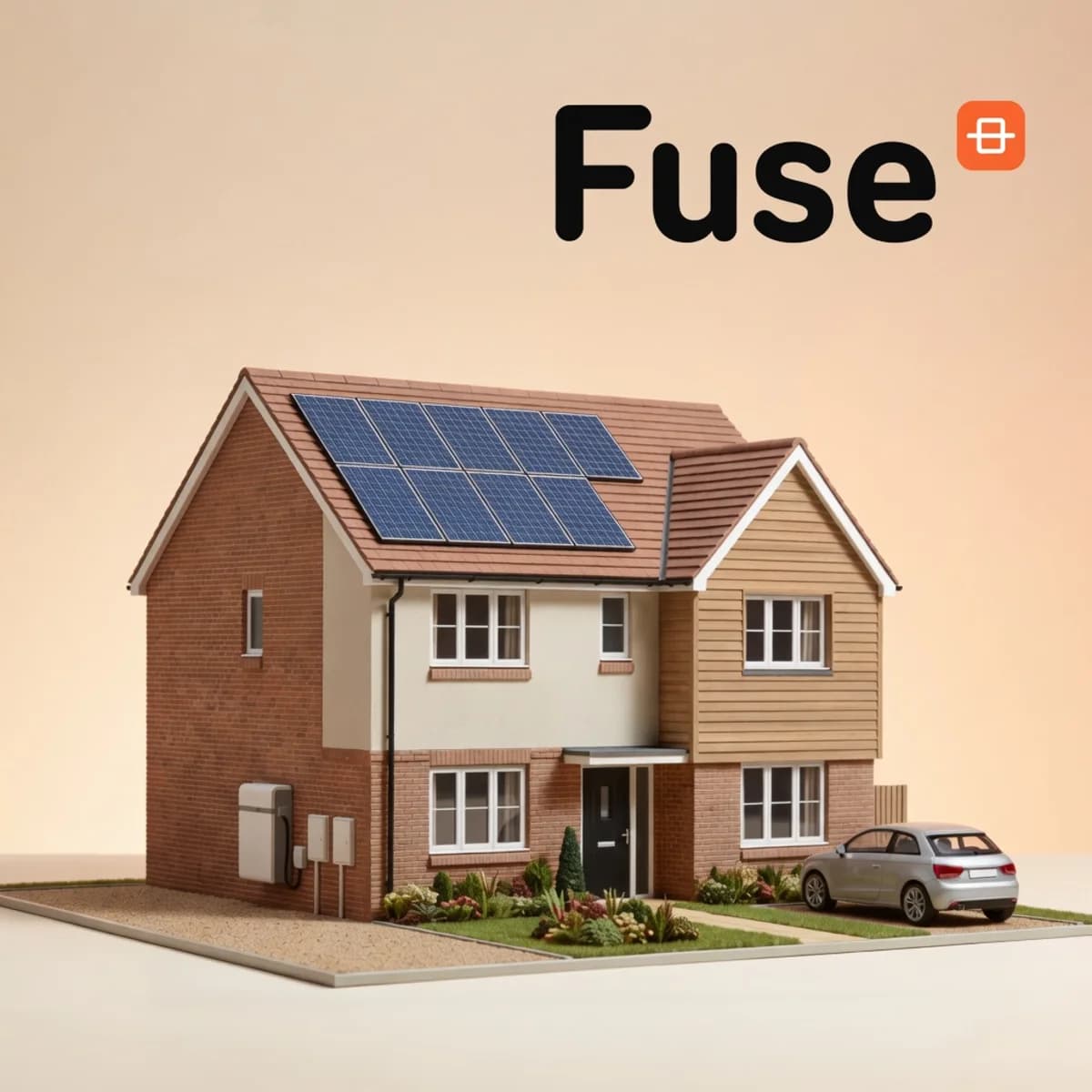
Solar panels can cut reliance on the grid and protect against price swings, yet many households still face a wall at the start. Typical systems cost £5,000 to £10,000 upfront, and current market loans run at 9-10% interest. That combination puts the technology out of reach for plenty of families even though long-term bill savings and higher property values are on offer.
What the new proposal would change
The Common Wealth thinktank wants ministers to launch "solar bonds" – retail products like national savings – to fund low-interest loans for solar. Donal Brown, lead author, stated that this would be a "state-backed product that everybody would be eligible for". The same report argues that government involvement would also drive down installation costs. Loans would run for 25 years, repaid through energy bills and tied to the property.
We’ve already seen strong uptake this year, with UK homes hitting record renewable installs. Cheaper finance could keep that momentum going.
Real savings and who benefits
Halving interest rates could deliver roughly £250 a year in combined loan and energy savings. The scheme would suit homeowners planning to stay put long enough to recoup costs and anyone looking to lock in lower bills before the next price-cap review. It would not suit short-term movers or those already able to pay cash.
What you can do now
While the bonds are still a proposal, green loans and some green mortgages already exist. Compare rates and terms carefully, check your credit position, and factor in the Smart Export Guarantee for any surplus power. Head to our energy comparison tools to see current options side by side.