How the two technologies fit together
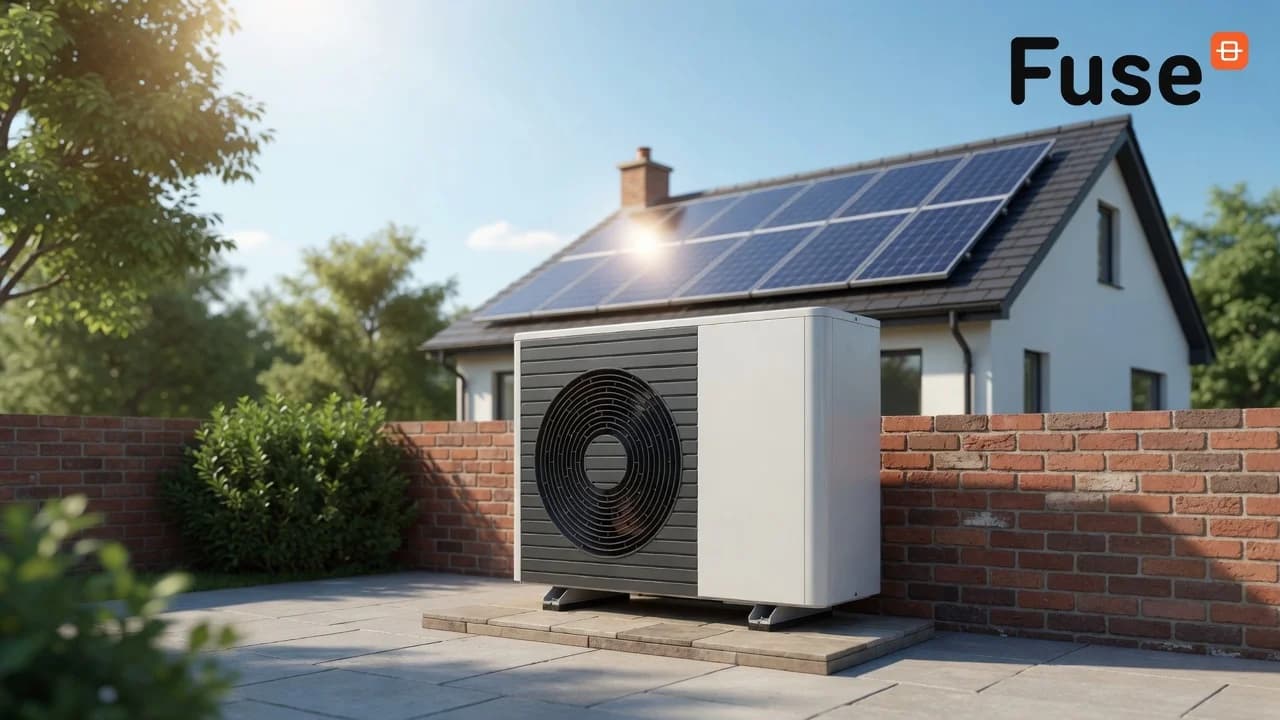
Solar panels generate electricity that can directly power a heat pump, cutting the amount of grid power a household needs for heating and hot water. The Energy Saving Trust notes that a typical 3.5 kWp domestic solar array produces enough electricity over a year to meet the annual demand of a heat pump in an average home.
Seasonal mismatch and battery storage
Solar output peaks in summer when heating demand is low, while heat pumps work hardest in winter when solar generation drops. Phil Steele, Future Technologies Evangelist at Octopus Energy, highlights this reality:
"The alignment isn’t perfect. In the summer, your solar is really only supplying your heat pump for hot water production, and in the winter you’re drawing from the grid for your heating and hot water."
A 7 kWh battery can help by storing daytime surplus for evening use. Government modelling showed this cut modelled annual electricity costs from £931 to £737 for an 84 m² semi-detached house.
Grants and real-world results
Installation costs typically range from £5,000–£10,000 for solar, £7,000–£15,000 for an air-source heat pump and £3,000–£8,000 for battery storage. The Boiler Upgrade Scheme offers £7,500 (or £9,000 for oil or LPG replacements), and 0 % VAT applies until March 2027.
We’ve already seen what this looks like in practice: a Cotswolds family cut bills to £9 a month with the same combination of solar, battery, heat pump and smart tariff. Read how they did it.
Check our energy comparison tools to see what an integrated system could mean for your home.