The UK is stepping up efforts to get energy innovation projects moving quicker. Government targets and industry partnerships are pushing for faster deployment of renewables, storage and smart systems to meet the 2050 net-zero goal.
Why the push for speed matters
The Climate Change Committee estimates every pound spent on net zero could return between 2.2 and 4.1 times in benefits. The government has already secured over £100 billion in clean energy investment since July 2022. Faster progress could cut reliance on volatile gas markets and help balance intermittent wind and solar output. We see this as directly relevant to household bills, especially with winter storage levels already low.
Ofgem's role and the £1 billion fund
Ofgem's Strategic Innovation Fund, run with Innovate UK, is worth £1 billion and supports network projects that speed decarbonisation. It also backs long-duration storage and digital tools that could lower system costs over time. The source text notes the UK will need at least £511 billion of investment by 2040 for clean infrastructure, so sustained funding remains critical.
Fuse Energy's approach
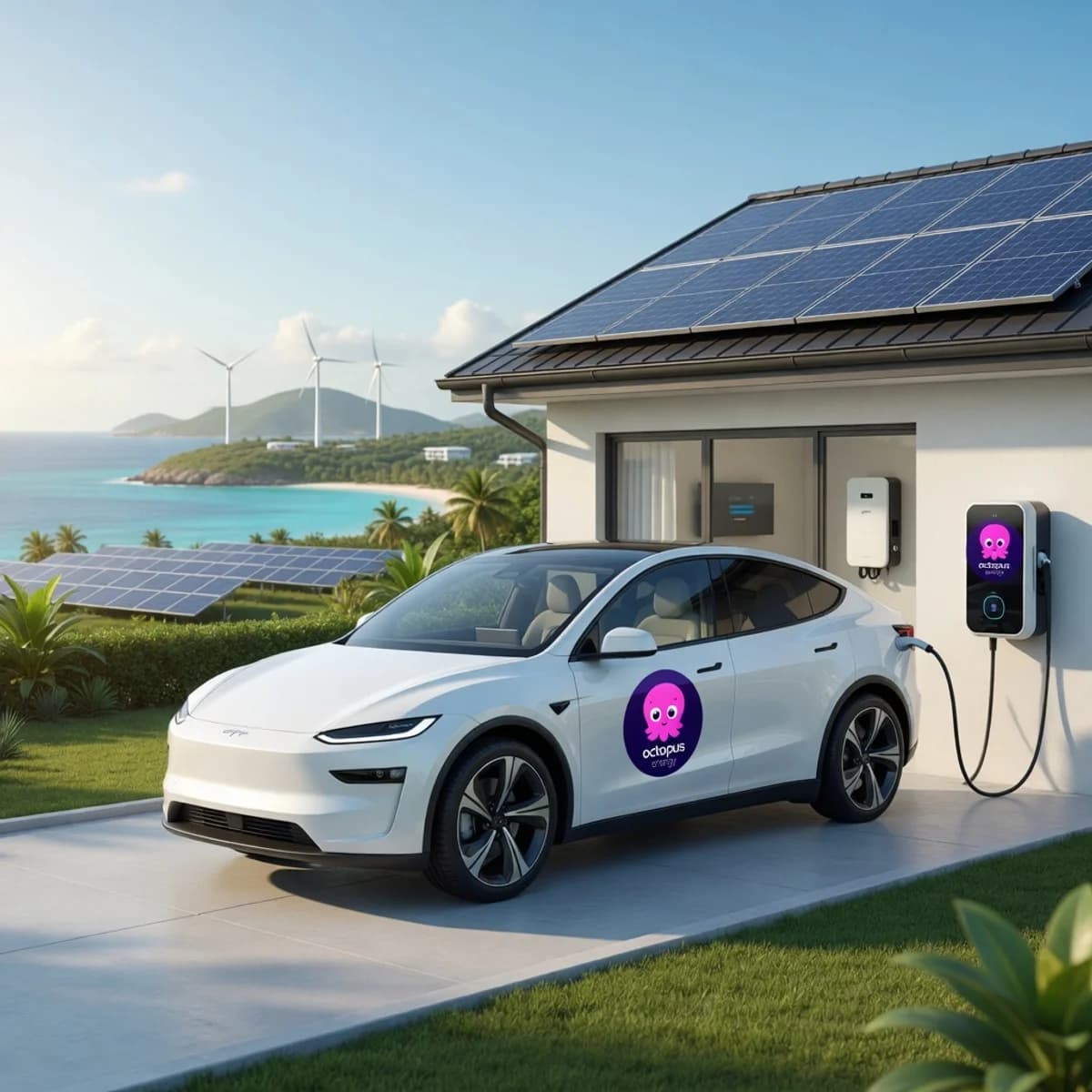
Fuse Energy is focusing on vertical integration from generation to supply, with operational solar and wind sites already running. The supplier highlights its own projects as examples of practical innovation. We cover similar Fuse moves in our recent piece on AI energy tech. For most households the immediate step is still comparing deals on our energy pages to see what current tariffs offer.
What this means for you
Innovation at scale takes years, so short-term savings depend on switching to tariffs that reward off-peak use or smart meters. Check your usage data and consider fixed versus flexible options before any winter price rises hit.