Smarter homes start with data
Smart meters already give half-hourly readings that let systems track exactly when you use power. That detail is the foundation for any AI-driven setup that can shift usage, store surplus or sell back to the grid. Without it, optimisation stays guesswork.
Tariffs that reward timing
Fuse Energy has been pushing dual-rate smart tariffs that reward off-peak charging and heating. Households with EVs or heat pumps stand to gain most, while those who prefer price certainty may still choose fixed deals. We looked at how those tariffs work in practice.
Storage, solar and control
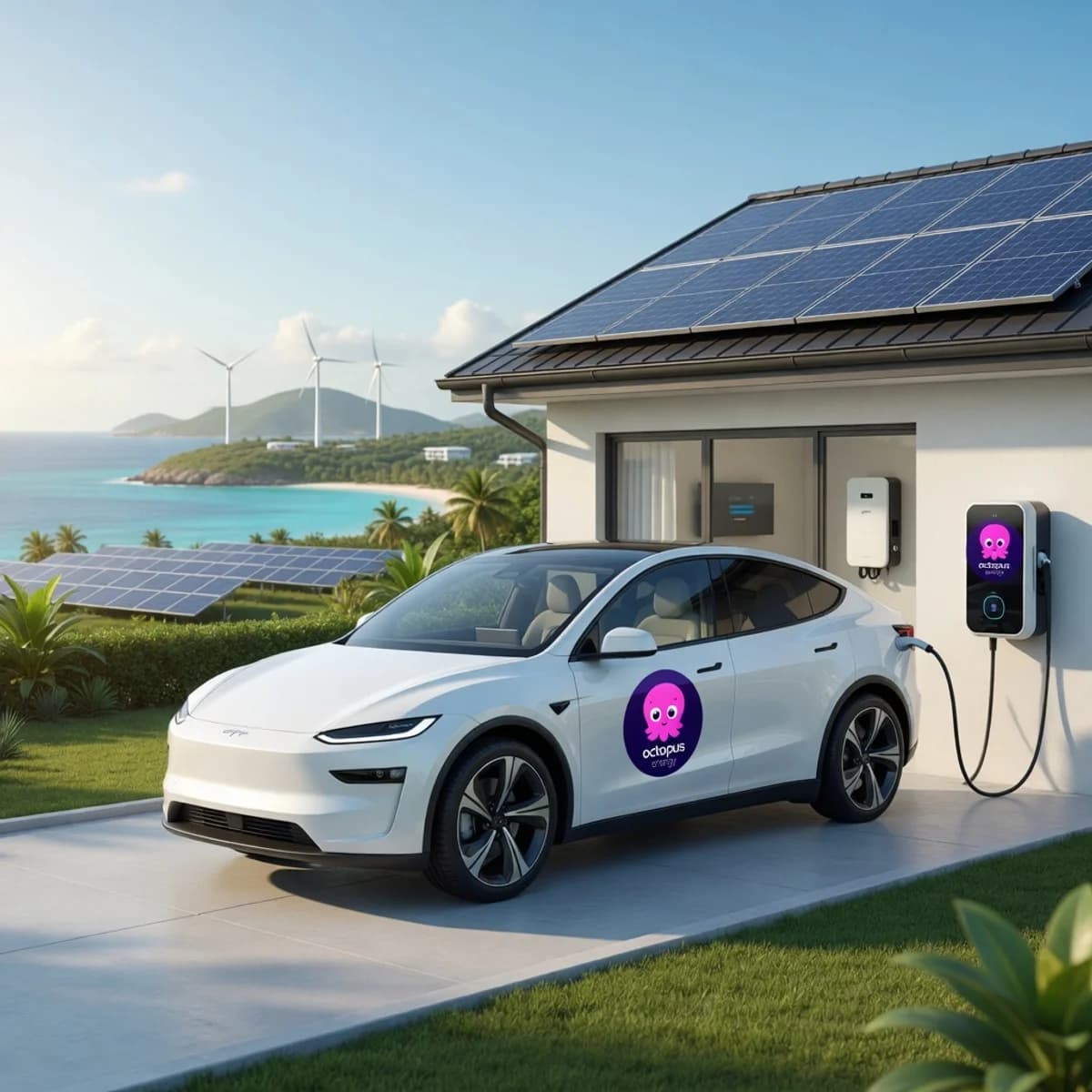
Pairing solar with home batteries lets you keep more of your own generation and cut grid reliance. AI software then decides when to draw from the battery, charge the car or export for a return. The average home uses around 2,500 kWh of electricity a year; even modest shifts can trim bills while helping the grid avoid peak fossil-fuel plants.
Where to begin
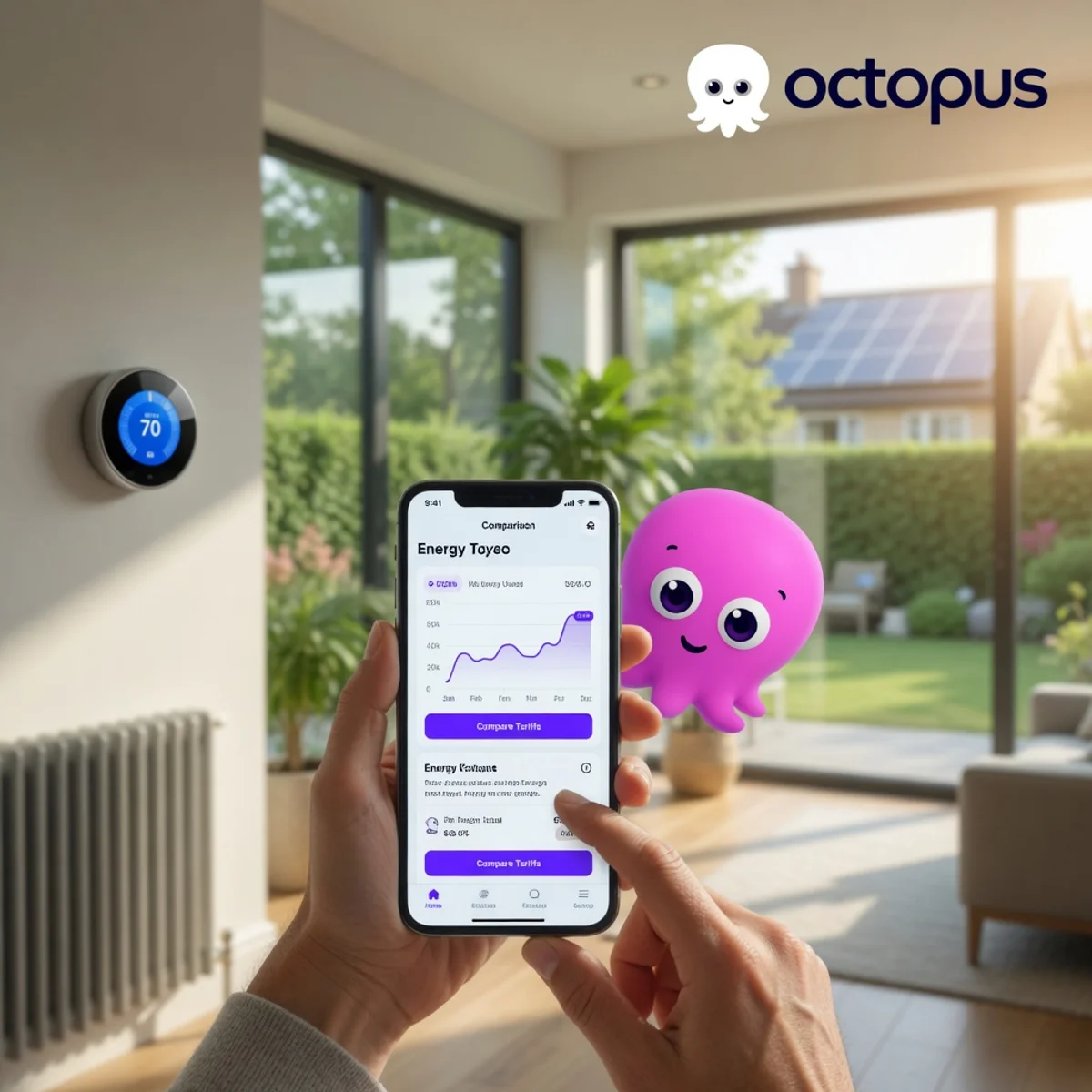
Start by checking your current usage and whether you have an EV or plan for solar. Fuse Energy’s app pulls in smart-meter data and other devices to show real-time flows and suggest changes. You can compare energy deals here and switch directly if the tools fit your home.