The UK’s energy network is moving away from the old centralised model towards something far more joined-up. Instead of devices like solar panels and batteries working in isolation, they’re starting to talk to each other and the wider grid in real time. We think this shift is worth paying attention to because it directly affects how much you pay and how reliable your supply is.
What a coordinated system actually means
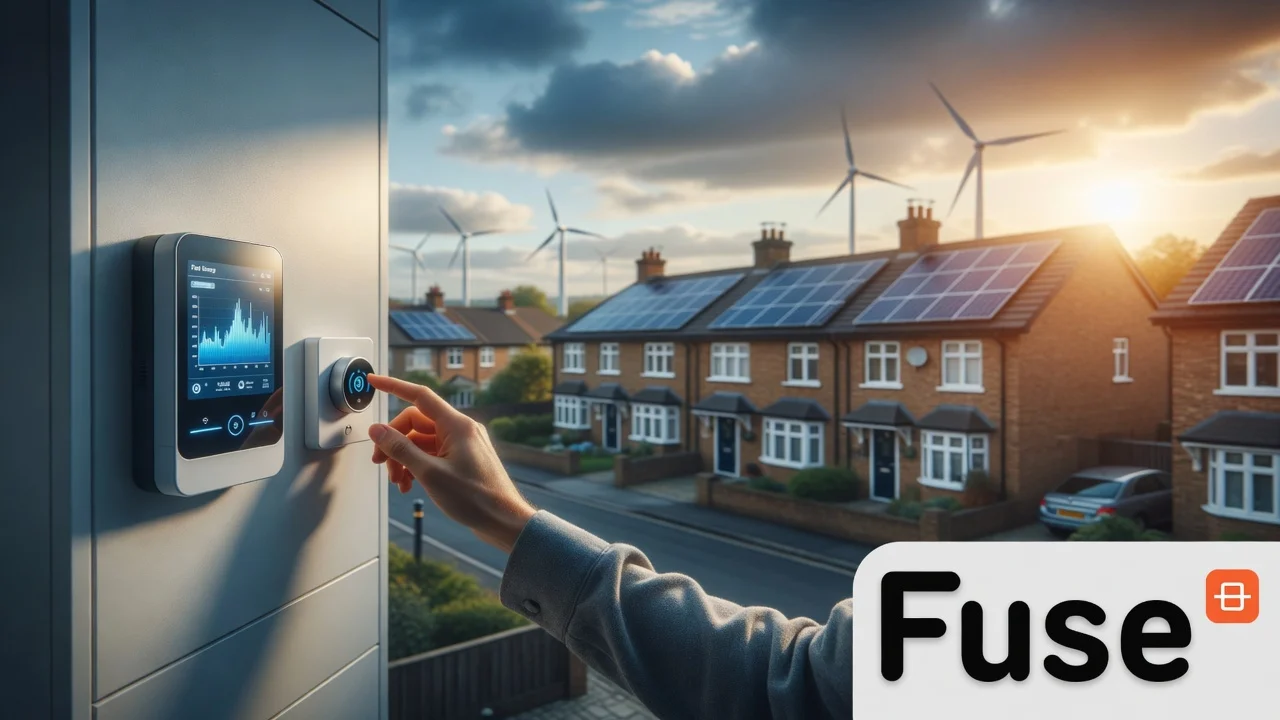
At its core, it’s about using smart tech so everything from your smart meter to home batteries and EVs can respond to what’s happening on the grid. That means batteries can adjust charging based on live conditions rather than just shutting down when things get tricky. The result is a more flexible setup that makes better use of renewables and helps avoid waste.
Real benefits for households
- Cheaper running costs: Smart meters open the door to flexible tariffs that reward you for using power when it’s plentiful and cheap.
- More independence: Adding storage and generation lets you rely less on the grid and protect yourself against price spikes.
- Better reliability: Faster data sharing means issues get spotted and fixed before they turn into outages.
Recent figures show 86% of people with a smart meter have already changed how they use energy at home.
Who’s driving this change
The government and Ofgem are pushing modernisation through the Energy Digitalisation Framework, while the National Energy System Operator (NESO) handles the day-to-day planning to keep the lights on during the move to net zero.
How to get involved
If you’re thinking about solar, batteries or just want clearer bills, now’s a good time to compare your options. Check our energy comparison tools to see what deals are available in your area and how they fit with the smarter grid that’s coming.